Bartholomew Roberts
Welsh pirate who captured over 400 prize ships during the Golden Age of Piracy.

via Wikipedia: Bartholomew Roberts · see source
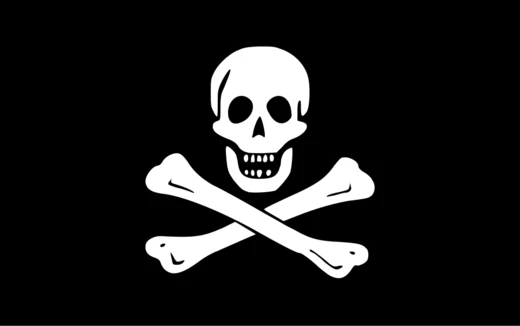
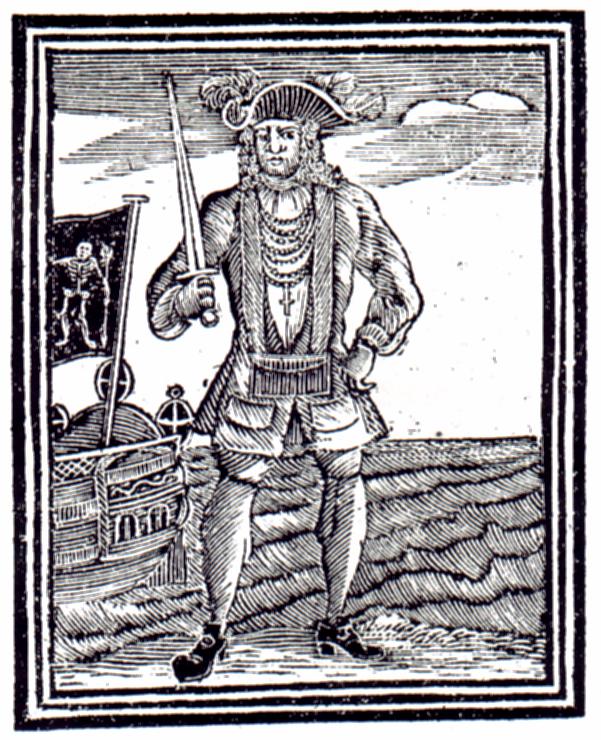
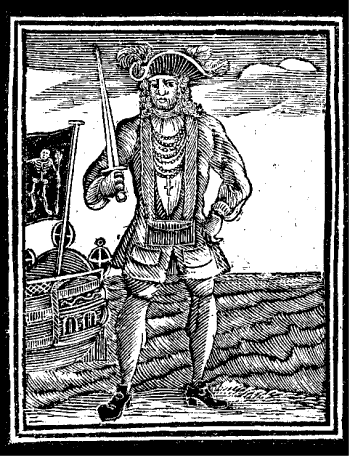
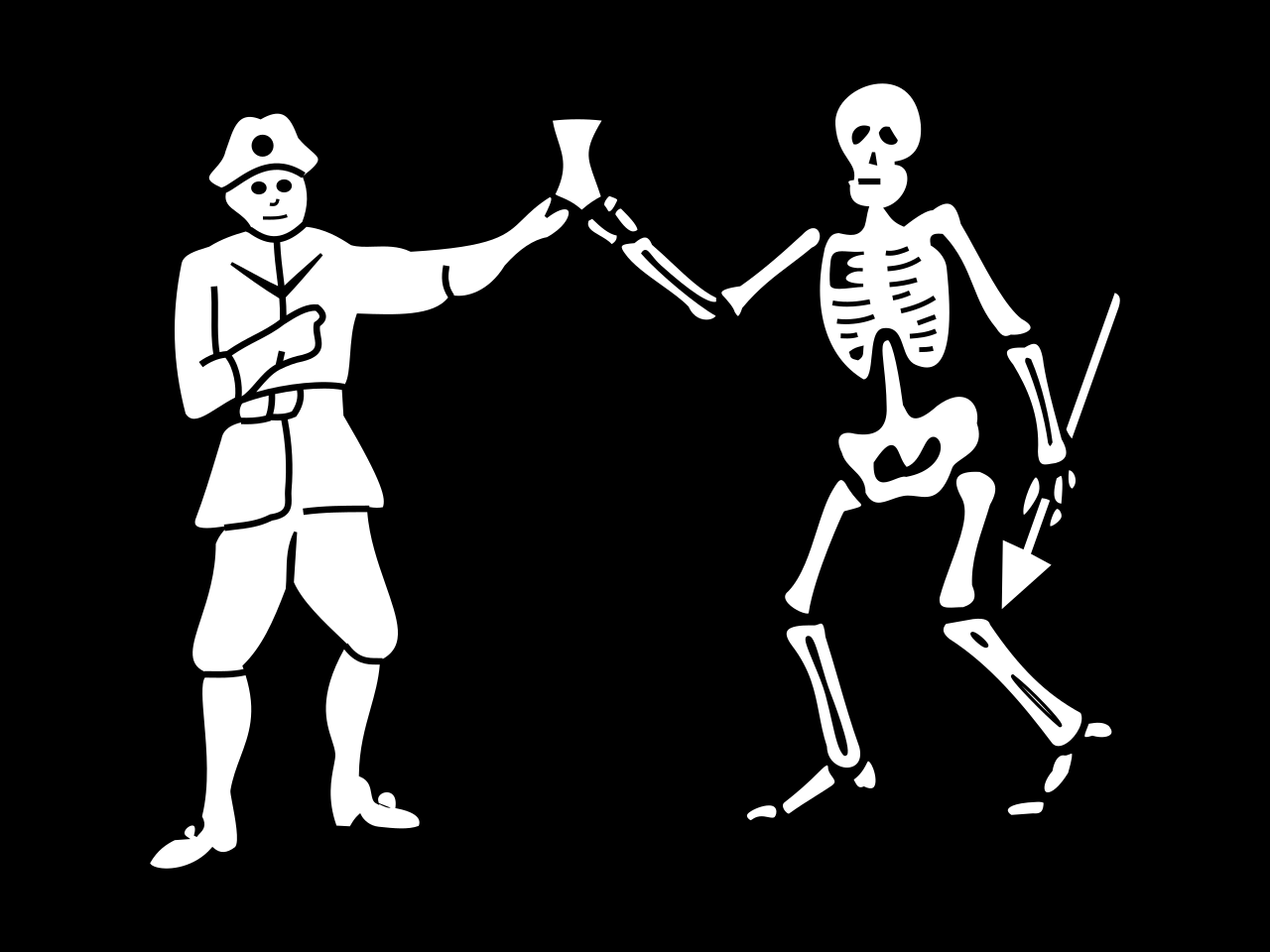
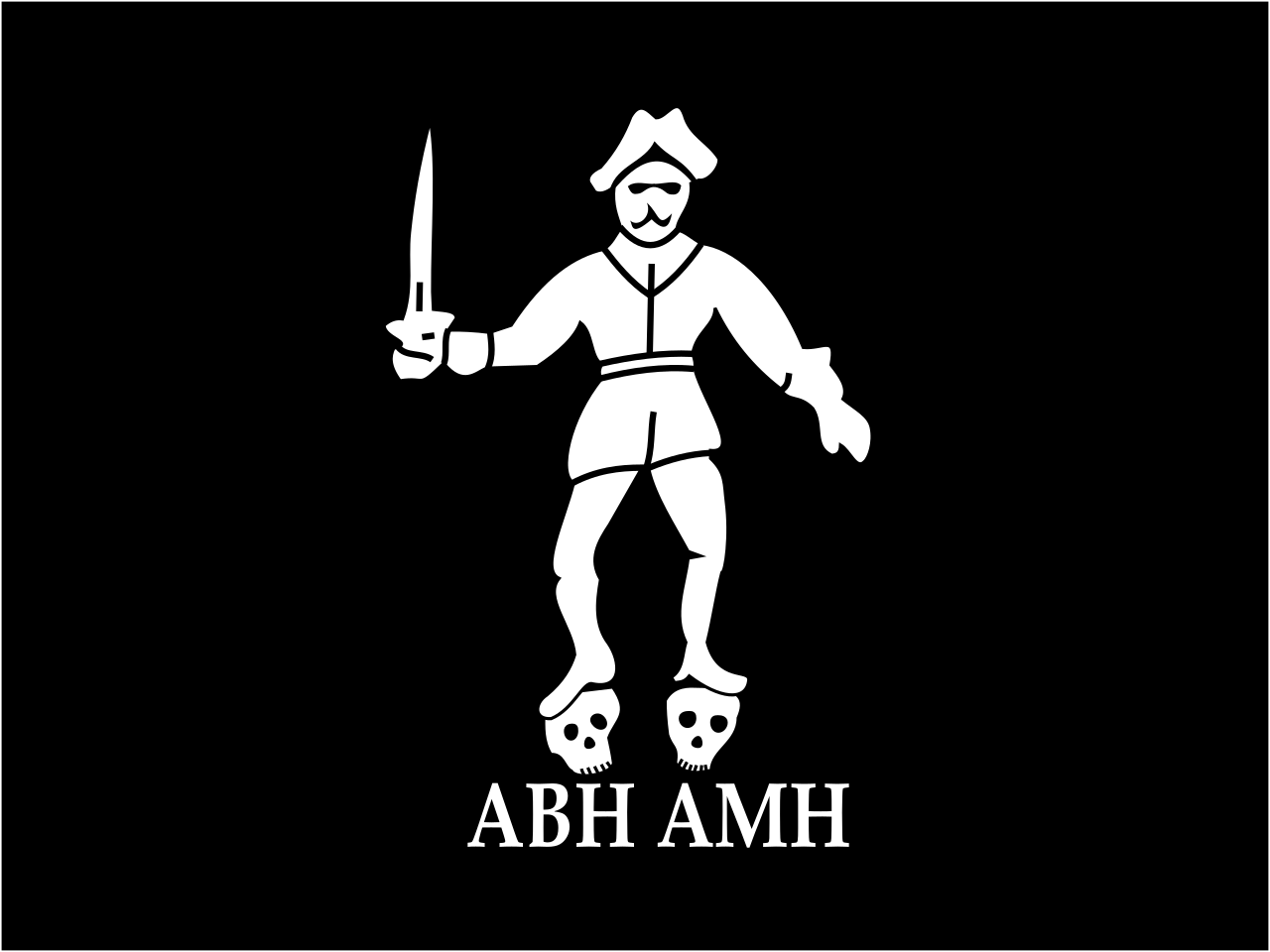
Bartholomew Roberts (born John Roberts; 17 May 1682 – 10 February 1722) was a Welsh pirate who, measured by vessels captured, was the most successful pirate of the Golden Age of Piracy. During his piratical career, he took over 400 prize ships, although most were mere fishing boats. Roberts raided ships off the Americas and the West African coast between 1719 and 1722; he is also noted for creating his own pirate code, and adopting an early variant of the Skull and Crossbones flag. His infamy and success saw him become known as The Great Pyrate and eventually as Black Bart (Welsh: Barti Ddu, though this was a later attribution and was not used in his lifetime), and made him a popular subject for writers of both fiction and non-fiction.
- born
- 17 May 1682
- died
- 10 February 1722
- nationality
- Welsh
- known_for
- Most successful pirate by vessels captured; created his own pirate code; adopted
Lore & Background
Bartholomew Roberts was born John Roberts in 1682 in Casnewydd Bach, between Fishguard and Haverfordwest in Pembrokeshire, Wales. His father was most likely George Roberts. He went to sea when he was 13 in 1695, but there is no further record of him until 1718, when he was mate of a Barbados sloop. In 1719, while second mate on the slave ship Princess under Captain Abraham Plumb, the ship was captured at Anomabu by pirates led by Howell Davis. Roberts was forced to join them. Davis quickly discovered Roberts' abilities as a navigator. Roberts is said to have been reluctant at first, but soon saw the advantages, reportedly saying: 'In an honest service there is thin commons, low wages, and hard labour. In this, plenty and satiety, pleasure and ease, liberty and power; and who would not balance creditor on this side, when all the hazard that is run for it, at worst is only a sour look or two at choking? No, a merry life and a short one shall be my motto.'
Within six weeks of his capture, after Davis was killed in an ambush at Príncipe, Roberts was elected captain—unusual given he had objected to serving. He accepted, saying 'since he had dipp'd his Hands in Muddy Water, and must be a Pyrate, it was better being a Commander than a common Man.' His first act was to lead the crew back to Príncipe to avenge Davis, killing a large portion of the male population and stealing all valuables. He then captured a Dutch Guineaman and a British ship called Experiment. After crossing the Atlantic, off Brazil he captured the Portuguese ship Sagrada Familia, containing 40,000 gold moidores and jewellery designed for the King of Portugal, including a cross set with diamonds. Later, after crewmate Walter Kennedy deserted with their ship Rover and the loot, Roberts and his crew renamed their sloop Fortune and agreed on new articles—now known as a pirate code—sworn on a Bible. He raided Newfoundland, capturing 22 merchant ships and 150 fishing ships at Trepassey without resistance, and later commandeered a French ship, fitting her with 26 cannons and renaming her Good Fortune, then Royal Fortune.
Reader's Guide
Bartholomew Roberts stands as the most successful pirate of the Golden Age of Piracy by number of vessels captured, taking over 400 prize ships, though most were mere fishing boats. His career from 1719 to 1722 spanned the Americas and West African coast. He is noted for creating his own pirate code and adopting an early variant of the Skull and Crossbones flag. His nickname 'Black Bart' (Welsh: Barti Ddu) was a later attribution and was not used in his lifetime. Roberts' life and exploits have inspired fictional characters, such as the Dread Pirate Roberts, and he continues to feature in popular culture. His legacy includes a reputation for bravery and success that cemented his crew's loyalty—they concluded he was 'pistol proof'—and his motto 'a merry life and a short one' remains iconic.
Did You Know?
- Bartholomew Roberts was born John Roberts; it is unclear why he changed his name to Bartholomew, but he may have chosen it after the buccaneer Bartholomew Sharp.
- Within six weeks of being forced into piracy, Roberts was elected captain after Howell Davis was killed—an unusual rise for someone who had objected to serving.
- Roberts captured the Portuguese ship Sagrada Familia, which held 40,000 gold moidores and a diamond-studded cross meant for the King of Portugal.
- After crewmate Walter Kennedy deserted with their ship and loot, Roberts and his crew created a new pirate code, sworn on a Bible.
- Roberts raided the harbour of Trepassey, Newfoundland, capturing 22 merchant ships and 150 fishing ships without any resistance.
From Captive to Captain in Six Weeks
Bartholomew Roberts entered piracy under duress. In early June 1719, while serving as second mate aboard the slave ship Princess under Captain Abraham Plumb, the vessel was seized at Anomabu on the Gold Coast by Howell Davis and his crew aboard the Royal Rover and Royal James. Roberts and fellow crew members were compelled to join the pirate band. Though initially reluctant, Roberts quickly recognized the appeal of this new existence, contrasting the meager wages and hard labor of honest seafaring with the freedom and power of the pirate life. His navigational talent did not go unnoticed by Davis, who began consulting him regularly. When Davis was ambushed and killed by Portuguese forces at Príncipe while attempting to ransom a local governor, the crew needed new leadership. The ship's crew was divided into Lords and Commons, with the Lords holding the right to propose a candidate. Within six weeks of his capture, Roberts was elected captain—a remarkable leap for a man who had objected to serving aboard the vessel at all. Historians attribute his selection to his seamanship and his forceful, outspoken personality.
A Pirate Code Born of Betrayal
Roberts is credited with formalizing a written pirate code, a set of articles that governed life aboard his vessel. This code was born out of betrayal: after Walter Kennedy abandoned him at sea with the sloop and the remaining loot, Roberts and his crew renamed their vessel Fortune and drafted new articles of agreement, which they swore to uphold upon a Bible. The governance structure aboard Roberts' ship reflected a rough democracy. The crew was split into Lords and Commons, with the Lords retaining the authority to put forward a captain's name for the full crew's consideration. Major decisions, such as the direction of the next voyage, were settled by vote. At Anamboe, the crew deliberated between heading for the East Indies or Brazil, and the vote carried for Brazil. Roberts himself acknowledged the logic of command over common labor, declaring that once a man had dipped his hands in muddy water and committed to piracy, it was preferable to be a Commander than a common man. This blend of collective decision-making and hierarchical command became a hallmark of his operation.
The Sagrada Familia and the Reach of His Raids
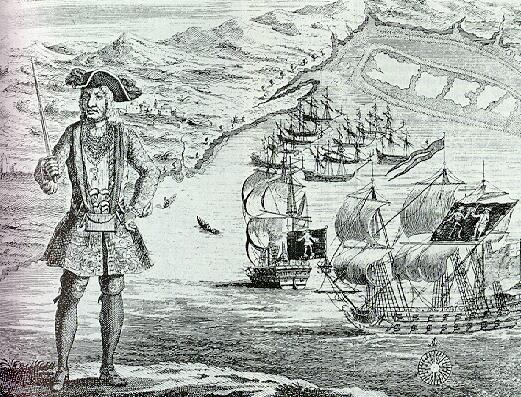
Roberts' most celebrated single capture came in Todos os Santos' Bay off the Brazilian coast. There, a fleet of 42 Portuguese vessels waited for two men-of-war of 70 guns each to escort them to Lisbon. Roberts seized one of the ships and ordered its master to identify the richest vessel in the convoy. The master pointed to Sagrada Familia, a 40-gun ship crewed by 170 men, which Roberts and his men boarded and took. The prize held 40,000 gold moidores and a collection of jewels destined for the King of Portugal, including a cross set with diamonds. This audacious strike demonstrated the reach of Roberts' operations, which stretched from the West African coast to the Americas and the Caribbean between 1719 and 1722. Over the course of his career, Roberts captured more than 400 prize ships, though the majority were modest fishing vessels rather than grand merchantmen. His willingness to target even a heavily armed and well-crewed Portuguese treasure ship, however, set him apart from many of his contemporaries and cemented his reputation as a pirate of extraordinary ambition and nerve.
The Great Pyrate and the Myth of Black Bart
Roberts' infamy outlived his brief piratical career by centuries. Known in his time as The Great Pyrate, he later acquired the epithet Black Bart—a name in Welsh rendered as Barti Ddu—though this label was a later attribution never used during his lifetime. His story has become a wellspring for writers across fiction and non-fiction, and he continues to feature prominently in popular culture. Perhaps the most famous fictional descendant is the Dread Pirate Roberts, a legendary figure whose very name echoes Roberts' title. Roberts' legacy extends beyond mere notoriety; he is remembered as the most successful pirate of the Golden Age when measured by the sheer number of vessels captured. His adoption of an early variant of the Skull and Crossbones flag and his creation of a formal pirate code have made him a symbol of maritime rebellion. From his Welsh origins in Casnewydd Bach to his death in 1722, Roberts' story endures as one of the defining narratives of the age of sail.
Common Misconceptions (Editorial)
- Some believe Bartholomew Roberts was known as "Black Bart" during his lifetime, but the facts show this was a later attribution and not used while he was alive. - It is commonly thought that Roberts was a lifelong pirate, but he was actually forced into piracy in 1719 when his slave ship was captured, and he initially objected to serving. - Many assume that all of Roberts' 400 captured vessels were large prize ships, but the facts note that most were mere fishing boats.
Why It Matters (Editorial)
Bartholomew Roberts endures as a symbol of the Golden Age of Piracy not only for his staggering success in taking over 400 vessels, but for the paradox of his reluctant rise to command—a man who resisted piracy yet became its most prolific captain. His legacy persists through his famous pirate code, his iconic flag, and the romanticized tension between a "merry life and a short one" and the brutal reality of a career cut down by naval force off the coast of Africa in 1722.
Gallery
Frequently Asked Questions
Who is Bartholomew Roberts?
A Welsh-born pirate who went by the name Black Bart and operated during the Golden Age of Piracy. Originally called John Roberts, he spent roughly three years (1719–1722) raiding merchant and fishing vessels along the Atlantic coasts of the Americas and West Africa.
What is Bartholomew Roberts known for?
Roberts is remembered as the most prolific ship-capturer of the Golden Age, taking more than 400 vessels in a single career. He is also credited with writing down a formal pirate code and flying one of the earliest recognizable Skull and Crossbones flags.
How does Bartholomew Roberts's story end?
On 10 February 1722, Roberts was killed in a gun battle with Royal Navy warships off the West African coast. His death brought a sudden close to what had been the most productive piratical career of the era.
Why is Bartholomew Roberts important to pirate history?
His sheer volume of captures—over 400 ships—set a record that defined the peak of the Golden Age and earned him the epithet The Great Pyrate. His written code and distinctive flag also left a lasting mark on how later pirates organized themselves and presented their identity at sea.
What was Bartholomew Roberts's pirate code?
Roberts drafted a written set of rules for his crew that covered topics like the division of plunder, discipline aboard ship, and the treatment of captured prisoners. It is one of the better-preserved examples of a pirate code from the early 18th century.
More in Pirates 1-21
Spotted an error? Know more?
This is a living reference — every entry is fact-audited, and reader corrections feed straight into our audit queue. Suggest an edit · See this site's audit record